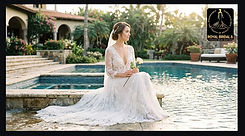

Comparing Bridal Gown Prices: What to Expect at RoYaL Bridal Boutique

Few parts of wedding planning feel as emotional, visual, and financially layered as choosing the dress. Brides often arrive excited about silhouette and style, only to realize that bridal gown prices can vary widely even when dresses look similar at first glance. That range is not arbitrary. It usually reflects differences in fabric, construction, embellishment, designer approach, alterations, and the level of service included in the boutique experience. Understanding what drives cost can make wedding dress shopping feel less overwhelming and far more rewarding.
Rather than focusing only on a number on the tag, it helps to think in terms of value, fit, and the final look you want to achieve. A lower-priced gown may still need significant alterations, while a more expensive gown may offer better structure, superior fabric, or detailing that changes how it photographs and feels throughout the day. The goal is not simply to spend less or more. It is to spend wisely.
What Really Influences Bridal Gown Prices
When brides compare dresses, they often assume price differences come down to branding alone. In reality, several practical elements affect what you pay. Fabric is one of the most visible factors. Silk, lace, mikado, organza, and layered tulles can each create a distinct effect, and higher-end materials often feel different against the skin and hold their shape more cleanly.
Construction also matters. A gown with internal boning, multiple lining layers, built-in support, hand-finished seams, or intricate corsetry generally requires more labor than a simpler design. Embellishments add another pricing layer. Beading, appliqué, pearls, sequins, and embroidery can transform a dress, but they also increase production time and care requirements.
Fabric quality: premium textiles usually cost more and drape betterLevel of detail: hand-applied lace and beadwork raise the priceDress structure: boning, support, and layered construction affect fit and costCustomization: neckline changes, sleeves, trains, and design adjustments add expenseAlteration complexity: some silhouettes are more time-intensive to tailor properly
If you are starting wedding dress shopping, keeping these factors in mind will make price comparisons feel much more logical from one gown to the next.
What Brides Can Expect Across Different Price Ranges
While there is no single universal pricing rule, bridal gowns often fall into broad value bands. Entry-level dresses may offer clean lines, simpler fabrics, and lighter embellishment. Mid-range options often introduce stronger construction, more distinctive silhouettes, and better detailing. Higher-end gowns may feature more luxurious materials, refined finishing, and statement craftsmanship that is easy to notice up close.
The key is to compare like with like. A minimalist satin gown should not be judged by the same checklist as a heavily embellished lace ball gown. They are serving different aesthetic goals and may distribute value differently.
Price Consideration | What You May Notice | Questions to Ask |
Simpler price point | Clean styling, fewer layers, lighter detail | What alterations are likely needed? |
Mid-range price point | Better structure, more finish, stronger fabric options | What is included in the appointment or fitting process? |
Higher price point | Premium materials, intricate embellishment, elevated craftsmanship | Are custom changes possible, and what do they cost? |
Brides should also remember that the dress they try on in-store may be a sample. The final ordered gown can feel different once made in the correct size, and that can influence both fit expectations and alteration planning.
One of the most common budgeting mistakes in wedding dress shopping is focusing only on the gown price while overlooking related expenses. Alterations are the biggest example. Hem adjustments, bodice shaping, bustle additions, strap refinements, sleeve changes, and lace placement can all affect the final total.
Accessories also shape the overall investment. A veil, shoes, shapewear, jewelry, overskirt, gloves, or a reception look can significantly change your bridal budget. Dress care should not be ignored either. Depending on the fabric and construction, you may need steaming, transport preparation, or post-wedding cleaning and preservation.
A practical bridal budget should account for:
The gown itselfAlterationsVeil or headpieceShoes and undergarmentsCleaning or preservation if desired
Thinking about the complete look early helps prevent disappointment later, especially if you fall in love with a gown near the top of your dress budget.
How to Compare Dresses More Smartly in a Boutique Setting
A productive boutique appointment is not about trying on the highest possible number of gowns. It is about learning what truly suits your body, venue, comfort preferences, and budget. Brides do best when they arrive with inspiration, but stay open-minded enough to consider options that may look different on the hanger than they do when worn.
When visiting Bridal Shop and Evening Wears Boutique, treat pricing as part of a fuller conversation rather than a separate concern. Ask what is included, which gowns are easiest to alter, whether particular silhouettes work better for your timeline, and how different fabrics affect movement and comfort. A helpful boutique experience should guide you toward the strongest fit for your priorities, not just the dress with the most dramatic visual impact.
Use this comparison checklist during appointments:
How does the dress feel after standing, sitting, and walking?Does the fabric suit the season and venue?Is the support strong enough, or will you need extra structure?How much alteration work is likely?Do you love the dress itself, or only one styling element added to it?
Setting a Realistic Budget Without Losing the Experience
Bridal style should still feel exciting even when money is a real consideration. The most effective approach is to set a firm overall dress budget before your first serious appointment, then divide it into categories. Decide what portion can go to the gown, what must be reserved for alterations, and what remains for accessories. That clarity will help you avoid trying on dresses that are unlikely to work financially.
It also helps to identify your non-negotiables. If luxurious fabric matters most to you, you may choose a simpler silhouette with less embellishment. If dramatic detail is the dream, you may need to simplify accessories or remain flexible on other finishing elements. Good budgeting is not about reducing beauty. It is about aligning spending with what you will value most on the day.
In the end, the smartest wedding dress shopping experience is one built on clear expectations. When brides understand why gowns are priced differently, what extra costs may arise, and how to compare options thoughtfully, they are far more likely to choose with confidence. A beautiful dress is not only about appearance. It is about feeling certain that the gown, the fit, and the investment all make sense together.
Optimized by Rabbit SEO
Comments